Bad breath is one of those problems people rarely talk about openly. Yet almost everyone worries about it at some point.
You brush your teeth. You use mouthwash. You chew gum. Still, the smell comes back.
For many patients, bad breath feels frustrating and confusing. It can affect confidence, social comfort, and even professional interactions. What makes it harder is that most people focus on quick fixes instead of understanding what is actually causing the problem.
The truth is simple but often ignored. Persistent breath issues are rarely just about brushing or skipping mouthwash.
Why bad breath isn’t always about hygiene
This might surprise you, but many people with bad breath actually have decent oral hygiene.
They brush twice a day, floss now and then, and rinse regularly. And yet, the issue stays.
That’s because odour often comes from imbalances, not just surface cleanliness. Smell is usually a signal, not the root problem. Masking it with mint only hides the message.
Your mouth is a living environment. When that environment falls out of balance, the first clue is often your breath.
The role of oral bacteria most people ignore
Your mouth contains hundreds of types of bacteria. Some are helpful, and some are not.
Bad breath often develops when certain bacteria break down food particles, dead cells, and proteins. During that process, they release sulphur-based gases, which create that unpleasant smell.
The detail most people miss is this: it’s not just the amount of bacteria. It’s the type and where they live.
Bacteria love low-oxygen places like between teeth, under the gumline, on the back of the tongue, and around older dental work. Brushing alone doesn’t always reach those areas.

The tongue is often the main source
This is one of the most overlooked causes of bad breath.
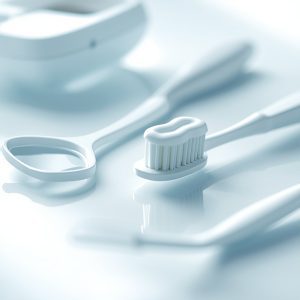
The surface of the tongue isn’t smooth. It has tiny grooves that trap bacteria, food debris, and dead cells. Over time, a coating forms, especially toward the back.
Many people brush carefully but never clean their tongue. Mouthwash usually cannot remove that buildup.
That’s why tongue cleaning can make a bigger difference than people expect.
Gum disease and inflammation as hidden triggers
Persistent bad breath is often linked to gum problems, even before pain appears.
When gums are inflamed or infected, bacteria thrive below the surface. These bacteria can produce strong odours and are difficult to remove without professional care.
Early gum disease may not cause obvious symptoms right away. Still, breath changes can show up early.
This is one reason regular visits with a Dentist in Vaughan can protect you from problems that grow quietly over time.
Dry mouth changes everything
Saliva does more than keep your mouth comfortable. It naturally washes away bacteria and food particles.
When saliva flow drops, bacteria multiply faster, and bad breath becomes more likely.
Dry mouth can be caused by medications, stress, mouth breathing, dehydration, and some medical conditions.
Morning breath is common for this reason. But if dryness lasts all day, it deserves attention.
Diet plays a bigger role than you think
Some foods cause odour for a short time. Others change the oral environment for hours.
Sugary snacks feed harmful bacteria. Frequent snacking keeps bacteria active throughout the day. High-protein diets can also increase sulphur production in some people.
This doesn’t mean you need a strict diet. It means your eating pattern and oral balance work together.
When bad breath comes from beyond the mouth
Sometimes bad breath is linked to medical factors like sinus infections, acid reflux, and uncontrolled diabetes.
Still, most long-term breath issues start in the mouth. Assuming it’s a stomach issue without a dental evaluation can delay the real fix.
A thorough dental exam helps rule out oral causes first, then guides next steps if needed.
Why mouthwash rarely solves the problem
Mouthwash can make breath smell fresher for a short time. It usually does not fix the source.
Some rinses can even dry out the mouth, which may make bad breath worse over time.
Long-lasting improvement comes from understanding why bacteria are thriving in the first place.
What a professional evaluation looks for
A proper assessment can identify patterns that are easy to miss at home.
Your dental team may check gum health, plaque and tartar buildup, tongue coating, older restorations, signs of dry mouth, and areas where bacteria collect.
This is where dentistry in vaughan becomes about prevention, not just treatment.
Small daily habits that actually help
Once the underlying cause is clear, the best habits are often simple.
- Clean your tongue gently and consistently
- Stay hydrated throughout the day
- Keep up with professional cleanings
- Address gum inflammation early
- Avoid constant snacking when possible
These steps work best when they match your specific situation, not someone else’s routine.
When to see a dentist about bad breath
Consider a visit if bad breath lasts despite good hygiene, if others notice it consistently, or if you have bleeding gums, soreness, frequent dryness, or long gaps between cleanings.
If you’ve been searching “dentist near me” because you want real answers, a proper exam is often the turning point.
Final thoughts
Bad breath is not a personal failure. It’s a biological signal.
Most people try to cover it up instead of understanding it. Once you know the real cause, the solution becomes more direct and more sustainable.
If you want clear answers and a plan that makes sense, visiting a trusted dental office in vaughan can help you move from temporary fixes to lasting confidence.
For personalized care and straightforward guidance, contact Marble Dental Centre at +1-905-303-0066 to book a consultation.
FAQ – Common Questions About Bad Breath
1. Can bad breath happen even if I brush twice a day?
Yes. Tongue coating, gum issues, and dry mouth can cause odour even with good brushing.
2. Is bad breath always caused by stomach problems?
No. Most cases begin in the mouth. Digestive causes are less common.
3. Does mouthwash cure bad breath?
It can mask odour briefly, but it usually won’t fix the underlying cause.
4. How do I know if my gums are causing bad breath?
Bleeding, tenderness, swelling, and persistent odour can be clues. A dental exam confirms it.
5. Can stress cause bad breath?
Yes. Stress can reduce saliva and increase dry mouth, which affects breath.
6. How often should I get a dental cleaning?
Many people benefit from regular cleanings, but the right schedule depends on your gum health and risk level.
7. What’s one quick habit that helps most people?
Gentle tongue cleaning, paired with hydration, often helps more than people expect.