Straight teeth can change more than your smile. They can change how you bite, chew, brush, and feel when you speak with people.
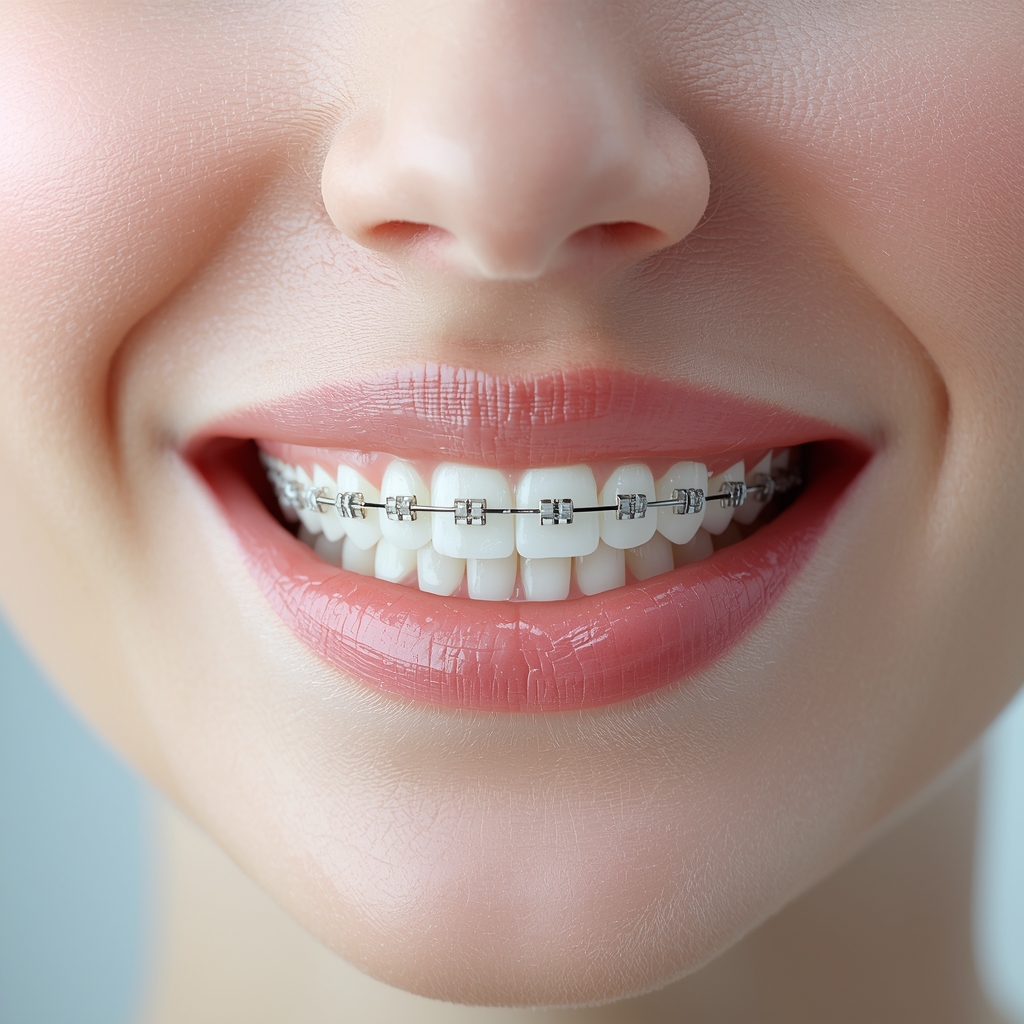
For many adults and teens, the idea of metal braces feels like too much. The wires, the brackets, the food limits, and the visible look can make treatment seem harder than it needs to be.
That is where Invisalign in Vaughan becomes such a practical option. It gives patients a quieter way to straighten their teeth, without making orthodontic treatment feel like the centre of daily life.
Invisalign uses a series of clear, removable aligners that gently move teeth over time. Each tray is designed for a small stage of movement. When worn as directed, the aligners help guide teeth toward a healthier and more balanced position.
For patients looking for a Vaughan dentist who understands both appearance and function, Invisalign can be a strong choice. The goal is not only a nicer smile. It is also a bite that works better and teeth that are easier to clean.
Why Invisalign Feels Different from Traditional Braces
Traditional braces are still useful, especially for complex orthodontic cases. They are reliable, fixed in place, and controlled carefully by the dental team.
But Invisalign feels different because it fits into everyday life more easily. The aligners are clear, smooth, and removable. Most people can speak, smile, and go about their day without feeling too self-conscious.
You can remove the trays when eating or drinking anything other than water. That means no long list of foods to avoid. You can still enjoy a meal with family, coffee with a friend, or dinner out in Vaughan without worrying about food getting stuck in brackets.
Brushing and flossing are also simpler. Since the trays come out, you clean your teeth the way you normally would. That can make oral hygiene easier compared with fixed braces, especially for busy patients.
Still, Invisalign is not magic. It works only when the aligners are worn consistently. Most patients are told to wear them for most of the day and night, removing them mainly for meals and oral care.
Who May Be a Good Candidate for Invisalign?
Invisalign may help with several common alignment concerns. These can include mild to moderate crowding, spacing, rotated teeth, and some bite issues.
Crowded teeth are a common reason patients ask about clear aligners. When teeth overlap, it becomes harder to brush and floss properly. Plaque can hide in tight areas, which may raise the risk of cavities and gum irritation.
Spacing is another concern. Small gaps between teeth may affect appearance, but they can also trap food. In some cases, spacing may be connected to bite balance or tooth size.
Some patients also ask about overbite, underbite, or crossbite correction. Invisalign may help with certain bite concerns, but the details depend on the case. A proper dental exam is needed before deciding if clear aligners are the right path.
This is why an in-person consultation matters. A dental office in Vaughan can check your teeth, gums, bite, jaw movement, and overall oral health before starting treatment.
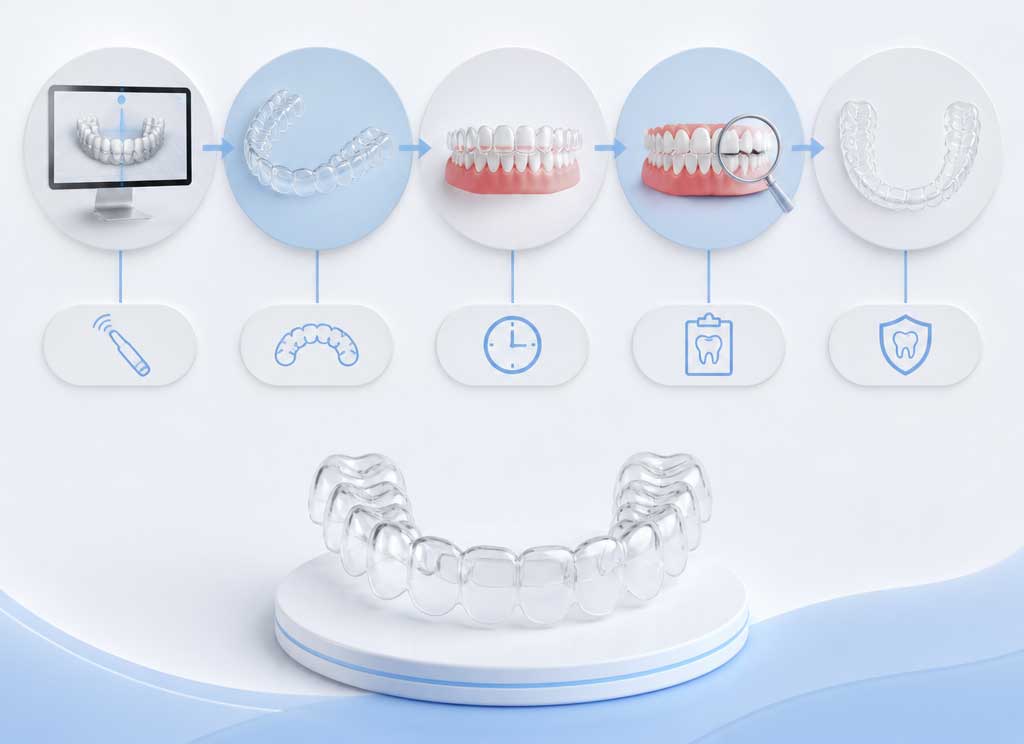
How Invisalign Treatment Usually Starts
The first step is a consultation. Your dentist examines your teeth and listens to your concerns. Some patients want straighter front teeth. Others feel their bite is changing, or their teeth have shifted after past orthodontic treatment.
Digital scans or impressions may be taken to help plan the movement of your teeth. These records allow the dental team to map out the stages of treatment.
From there, a custom treatment plan is created. The plan shows how your teeth may move and how long treatment may take. Every case is different, so timelines can vary.
Some patients need only minor movement. Others need more time because the teeth require careful, gradual changes. The goal is safe movement, not rushed movement.
Once your aligners are ready, your dentist checks the fit and explains how to wear and care for them. You will usually change to a new set of trays on a schedule given by your provider.
What Invisalign Attachments Do
Some Invisalign patients need small tooth-coloured attachments. These are tiny shapes bonded to selected teeth during treatment.
They may not sound exciting, but they are very useful. Attachments help the aligners grip certain teeth more effectively. This gives the tray better control when a tooth needs a specific type of movement.
Not every patient needs attachments. When they are needed, they are usually subtle and blend with the teeth. Most people do not notice them in normal conversation.
Attachments are temporary. They are removed when they are no longer needed or when treatment is complete.
Does Invisalign Hurt?
Most patients do not describe Invisalign as painful. Pressure and tightness are more common words.
When you switch to a new tray, your teeth may feel tender for a short time. That pressure usually means the aligner is doing its job. The feeling often settles as your teeth adjust to the new position.
The smooth plastic design can also feel easier on cheeks and lips than brackets and wires. However, mild irritation may happen early on while your mouth gets used to the trays.
If discomfort feels sharp, unusual, or does not improve, it is best to contact your dentist. Invisalign should feel snug, not damaging.
Daily Life with Invisalign
Invisalign is simple, but it does require discipline. The trays need to be worn for the recommended number of hours each day.
That means you need a routine. Remove the aligners before meals. Keep them in their case. Brush before putting them back in, especially after sugary or acidic foods.
This routine matters more than many patients expect. Food and drinks can stain trays or trap sugar against teeth. That can increase the risk of cavities or bad breath.
Water is usually fine while wearing aligners. Coffee, tea, wine, juice, and pop are better enjoyed without the trays. This helps keep aligners clear and protects your enamel.
You also need to clean the trays daily. Rinsing helps, but it is not always enough. Gentle cleaning keeps them fresher and reduces buildup.
Invisalign and Oral Hygiene
One quiet advantage of Invisalign is better access for brushing and flossing. Since the trays are removable, you do not need to work around brackets.
This can help patients keep their gums healthier during treatment. It also makes it easier to clean between teeth, where plaque often collects.
But there is a small catch. If you put trays back on dirty teeth, the aligners can hold bacteria and food particles close to the enamel. That is why brushing after meals is so important.
Think of the aligners like a clear cover. Whatever sits on your teeth can stay trapped there. Clean teeth make the whole process healthier.
For patients searching for a dentist near me because their teeth are shifting, this is often a good time to ask about both alignment and hygiene. Straightening teeth and improving daily cleaning can work together.
How Long Does Invisalign Take?
Treatment time depends on your teeth, your bite, and how consistently you wear the aligners. Some cases are shorter, while others take longer.
Minor spacing or crowding may be corrected faster than more involved bite concerns. Complex movements need more planning and more patience.
Compliance is one of the biggest factors. If trays are not worn enough, teeth may not track properly. That can delay results and may require extra aligners.
Regular checkups help your dentist confirm that your teeth are moving as planned. These visits also give you a chance to ask questions before small issues become bigger ones.
A good Vaughan dental implant or cosmetic case may also involve alignment planning first. Sometimes teeth need to be positioned properly before other treatments, such as bonding, veneers, crowns, or implants.
Invisalign for Adults in Vaughan
Many adults assume they missed their chance to straighten their teeth. That is not true.
Adult orthodontic treatment is very common. Teeth can shift with age, gum changes, grinding, missing teeth, or skipped retainer use after braces.
Invisalign appeals to adults because it is discreet. It does not usually interfere with meetings, client conversations, family events, or photos.
For many working adults in Vaughan and Woodbridge, that matters. They want treatment that improves their smile without making every conversation about their teeth.
A dental centre Vaughan provider may also look at the bigger picture. Straightening teeth can support gum health, bite comfort, and future restorative planning.
Invisalign for Teens
Invisalign can also be an option for some teens. The right choice depends on maturity, dental development, and the type of correction needed.
Teens need to wear the aligners consistently and keep track of them. Since the trays are removable, responsibility is a big part of success.
For some families, clear aligners feel easier than braces. For others, fixed braces may be more practical. A consultation helps parents understand the pros and cons before making a decision.
The best treatment is not always the trendiest one. It is the one the patient can follow properly.
Invisalign vs Braces: Which Is Better?
There is no single answer for every patient. Invisalign and braces both move teeth, but they do it in different ways.
Invisalign is removable, clear, and often easier for eating and cleaning. It can be a comfortable choice for many mild to moderate cases.
Braces are fixed, strong, and sometimes better for complex movements. They may be recommended when teeth need more detailed control.
The right choice depends on your bite, your habits, your goals, and your dental health. A best dentist in Vaughan should explain both options clearly, without pushing one treatment before checking your mouth.
What Happens After Invisalign?
After Invisalign treatment, teeth need to be held in place. This is where retainers come in.
Retainers help protect your results after the active movement is finished. Without them, teeth may slowly shift back toward old positions.
This part is easy to overlook, but it is essential. Orthodontic treatment does not end the day your last aligner comes off. Retention is how you keep the smile you worked for.
Your dentist will explain how often to wear your retainer. Some patients start with more frequent wear, then move to night-time wear.
Why Choose Local Invisalign Care in Vaughan?
Local care makes treatment easier. You can attend checkups, ask questions, and get help if an aligner feels off.
Choosing dentistry in Vaughan also means your care can be connected to your full dental history. Your provider can consider your cleanings, gum health, fillings, bite, and long-term treatment goals.
At Marble Dental Centre, Dr. Navid Milani and the dental team focus on practical, patient-centred care. Invisalign is not just about straight teeth. It is about helping your smile work well in real life.
If you are considering Invisalign in Vaughan, the first step is a conversation. A consultation can show whether clear aligners fit your teeth, your bite, and your daily routine.
To book a visit at Marble Dental Centre, call +1-905-303-0066. A clearer, straighter smile may be closer than you think.
FAQ
Is Invisalign noticeable?
Invisalign aligners are clear and usually subtle. Some people may notice them up close, especially if attachments are used. In everyday conversation, they are often much less visible than metal braces.
Can I eat with Invisalign?
No, you should remove your aligners before eating. This helps prevent damage, staining, and food buildup. You can usually drink water while wearing them.
How many hours a day should I wear Invisalign?
Most patients are told to wear their aligners for most of the day and night. They are usually removed only for meals, brushing, and flossing. Your dentist will give instructions based on your case.
Can Invisalign fix crowded teeth?
Invisalign may help with many mild to moderate crowding cases. Severe crowding may need a different approach or additional treatment. A dental exam is the best way to know.
Does Invisalign work for adults?
Yes, many adults use Invisalign to correct shifting, crowding, spacing, or bite concerns. Healthy teeth and gums are important before starting treatment.
Will I need attachments?
Some patients need small tooth-coloured attachments to help guide tooth movement. They are temporary and removed after treatment when appropriate.
Do I need a retainer after Invisalign?
Yes, retainers are usually needed after treatment. They help keep teeth from shifting back. Your dentist will explain the best retainer schedule for you.
How do I know if Invisalign is right for me?
A consultation with a Vaughan dentist can confirm whether Invisalign suits your teeth, bite, and lifestyle. The best plan depends on your oral health and treatment goals.